Interpersonal Effectiveness: Approach Your Relationships Mindfully
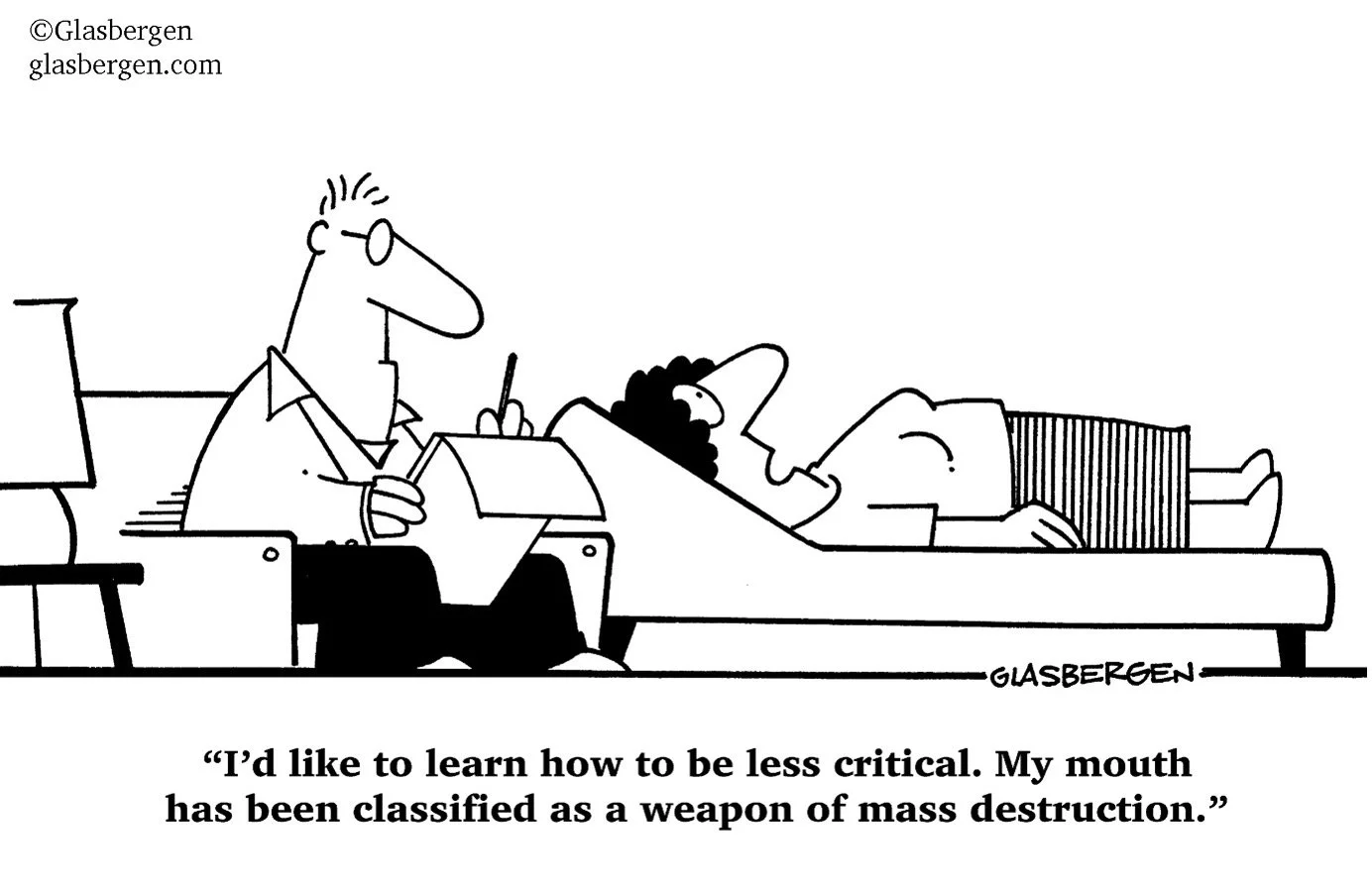
Here’s a challenge for me – increase my effectiveness in the minefield that is relationships. I doubt I’ll succeed, but I’ll give it a try. The first step is to clarify my goals. What do I want in my interpersonal relationships? Answer – no idea. Not to be attacked or rejected?
The authors advise – “if you don’t know what you want, it is much harder to get it! Therefore, the foundation of effective communication is clarifying your goals in the situation.”
But there is an added complication – “in any interpersonal situation, we are actually juggling three different types of goals.”
The three goals are –
1) OBJECTIVES EFFECTIVENESS – “how to get what you want in the situation.”
2) RELATIONSHIP EFFECTIVENESS – “how to maintain or improve your relationship while trying to get what you want.”
3) SELF-RESPECT EFFECTIVENESS – “how to get through the interaction without undermining your self-respect – and (hopefully) even improving it.”
Well, I don’t think I score highly on any of these right now. But luckily the authors aren’t saying this is easy. Our old friend Wise Mind has to come in to play because sometimes achieving one goal means that another has to be compromised on. So a skill called Clarifying Priorities needs to be used.
“Prioritising in advance is particularly important because once you are already in the conversation, it is all too easy to act based on Emotion Mind or Reasonable Mind if you haven’t yet identified your Wise Mind priorities.”
And a second skill is called for - “determining how intensely to express what you want.”
Very helpfully, DBT has a list of ten factors to consider when deciding how intensely to communicate in any given situation. Here is the list –
1) ABILITY: Is the other person actually able to give you what you’re asking for?
2) PRIORITIES: Try to match your level of intensity to your goals and priorities. “If your objective or self-respect goal is the highest priority, consider raising your intensity; if your relationship goal is the highest priority, though, consider lowering your intensity.”
3) SELF-RESPECT: Will asking for what you want increase your self-respect, or make you feel more effective?
4) RIGHTS: Would everyone agree that you have the right to whatever you’re asking for?
5) AUTHORITY: Do you have any authority over the other person?
6) APPROPRIATENESS TO THE RELATIONSHIP: Is your request appropriate given the nature of your relationship to the person?
7) IMPACT ON LONG-TERM RELATIONSHIP: This one is about long and short term gains, and weighing them up.
8) BALANCE: Is this a balanced relationship, or is one person giving more?
9) THE FACTS: Do you have all the necessary facts to make this request?
10) TIMING: Is it a good time to ask the other person for what you want?
This is the list, but Wise Mind (aka gut feeling) must be applied too.
I have to say, I’m already disliking this chapter of the book. The only thing I asked for recently was an open window, and that request went down like a lead balloon.