Decrease Stressors to Decrease Stress
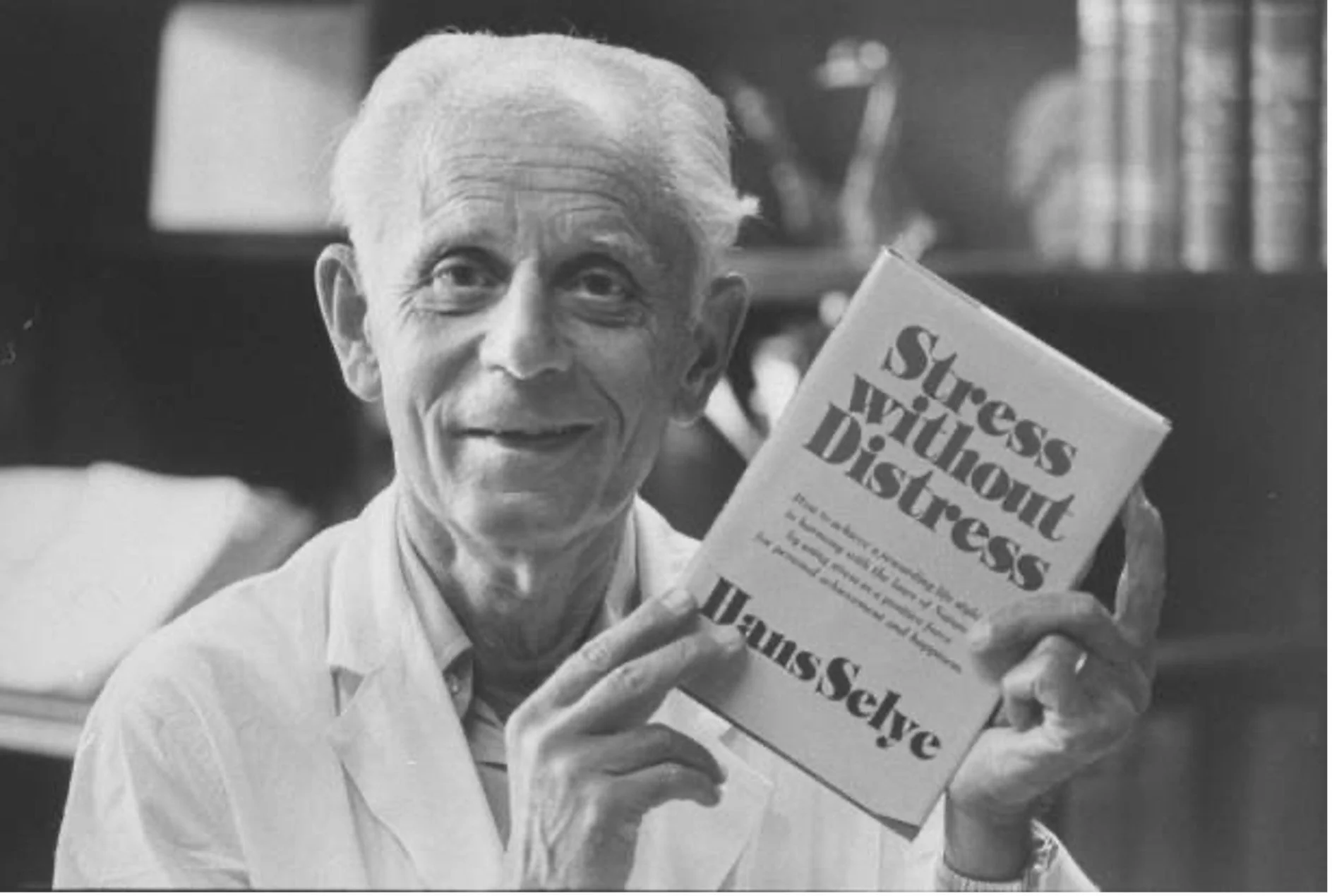
Okay, so we’re on to stress. The ‘life without stress equals death’ quote came to mind here, but I had never known who coined it. Turns out it was Dr Hans Selye, endocrinologist, and the actual phrase –‘Complete freedom from stress is death’ – comes from his 1974 work Stress without Distress.
Anyway, in this section of the book we’re not trying to do away with stress entirely, we’re just trying to learn how to problem-solve our way out of situations that cause us pain or lead to unwanted behaviours on our part.
“In order to regulate your emotions in situations in which your emotions fit the facts, the most effective thing to do is often to change the situation. This is when Problem Solving skills are useful.”
I love a bit of problem solving, in theory. In practice, it’s much harder. I’ve often kidded myself I’ve addressed an issue when I haven’t. I’ve ‘solved’ my debt issues at least six times. I take ages, what feels like centuries, to leave destructive relationships. And, as a psychiatrist once said to me, and not kindly, I like to go ‘round and round over the same thing.’ So maybe it’s good to look at problem solving in depth, and from a DBT perspective.
The authors advise – “Problem Solving involves several steps, each of which protect you against one of several factors that can interfere with effectively solving the problem you’re facing.”
Steps to Problem Solving
1) Define the problem accurately. Working out what’s difficult about a situation can help to clarify how it will be solved. If you can describe your problem accurately, you’ll be able to talk about it effectively with others.
2) Pause and use Check the Facts to see if you’re describing the problem accurately.
3) Identify your goal in the situation. “The question at this stage is what would need to happen for your unwanted emotions to change or decrease – in other words, for you to feel satisfied that the problem has been addressed. This an important step because if you aren’t clear on your goal, you will be less likely to solve the problem in a way that leaves you feeling satisfied.”
4) Work out how to achieve your goal. This is where it often all goes wrong, say the authors, because people tend to fix on the first solution they come up with, whilst ignoring other, better, solutions because they may be harder to implement. So the key here is to brainstorm. Write down every possible solution you can think of until you’ve run out of ideas.
5) Select the solution to implement. Apply these two factors to your considerations –
How likely is each option to work in achieving your goal?
How feasible is it?
6) Narrow down your list, look at the pros and cons of each solution and tap into Wise Mind. “These strategies will help you identify which solution is likely to be effective.”
7) Implement your solution.
8) “Evaluate the outcome, defining success based on whether your goal was achieved. If so, celebrate. If not, consider another one of the solutions you brainstormed. Apply your Problem Solving skills again to address any new or additional problems.”
Future exercises will look at identifying problems to be solved and identifying goals.